
Getting Started with Zumba: What to Expect
Your first Zumba class doesn't need to be intimidating. We break down what happens, what to wear, and why it's actually fun.
Why Zumba Feels Different
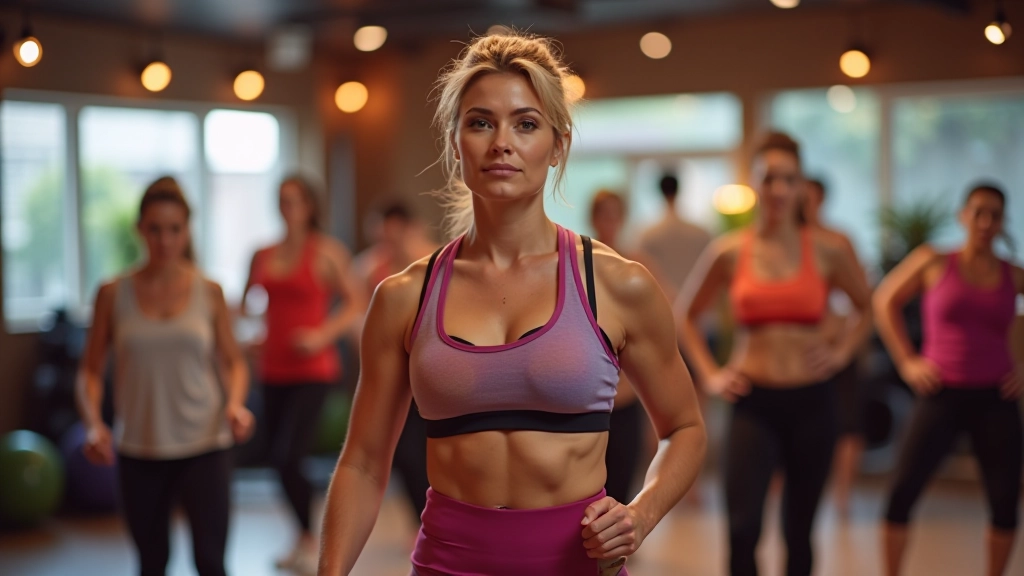
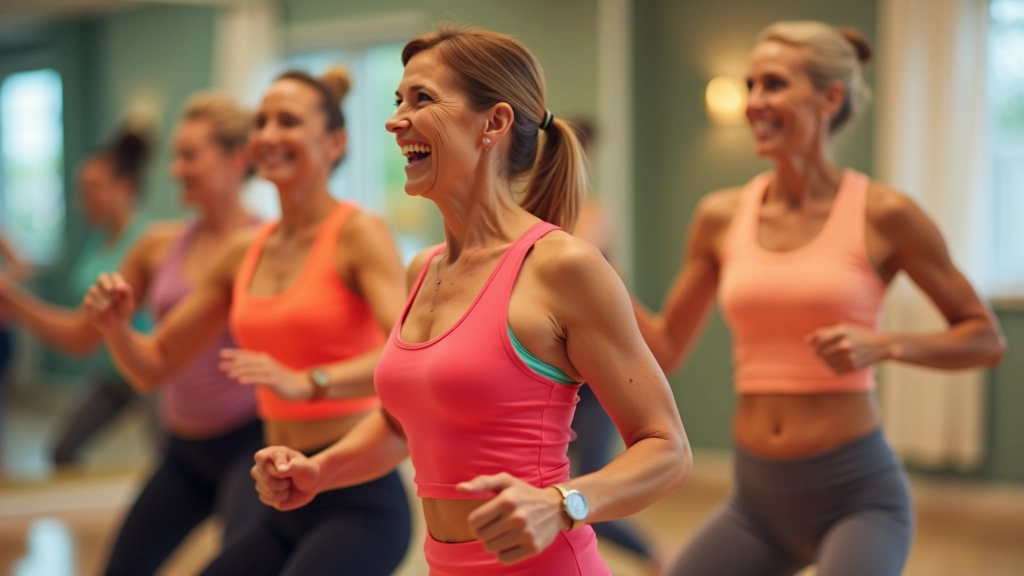
Zumba isn't like those stiff fitness classes where everyone stares at the mirror. You're dancing to music you'll actually recognize — salsa, reggaeton, cumbia, merengue. It's energetic without being pretentious. Most people walk in nervous. They leave smiling.
The thing about group fitness at 40, 50, or 60 is that you don't need to be "good" at dancing. You just need to show up and move. The instructors understand that — they're teaching people who aren't professional dancers, people with real jobs and bodies that've done real things.
"I was terrified the first week. But everyone's just focused on having fun, not on judging. Now it's my favorite part of the week."
— Linda, 52
What Actually Happens in Class
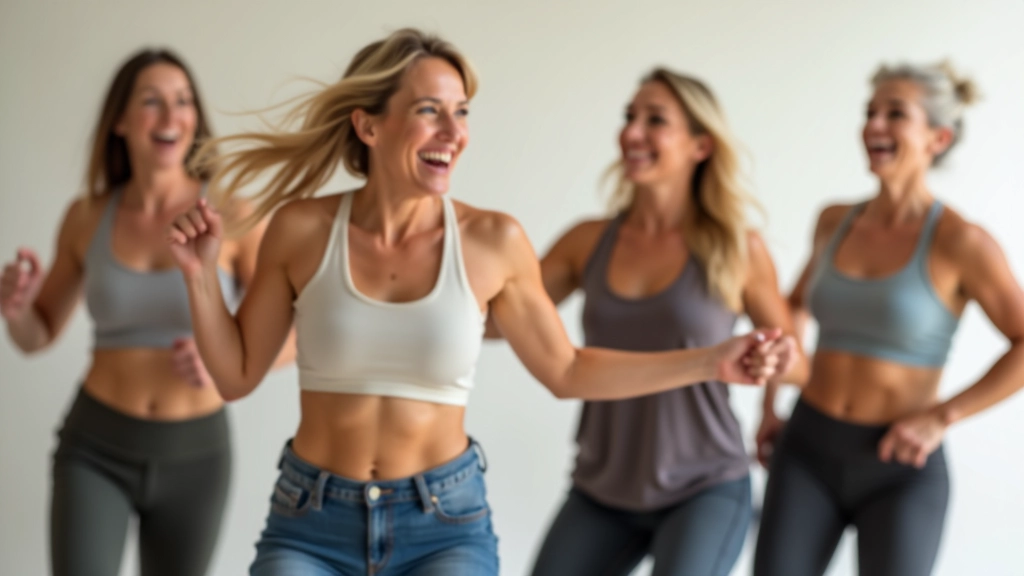
You'll walk in 5-10 minutes early. The instructor will greet you — actually greet you, not just nod from the front. They'll ask your name and if you've taken Zumba before. Don't be shy. They've heard every version of "I can't dance" at least 200 times.
Class starts with a warm-up. Simple hip movements, shoulder rolls, some light stepping. Nothing complicated. Then you learn one combination at a time. The instructor breaks it down: step-touch-step, hip movement, arm position. You'll probably mess up. Everyone does. But then the music kicks in and suddenly you're moving with 20 other people and it clicks.
A typical 60-minute class runs: 5-minute warm-up, then 4-5 different songs with combinations (10-15 minutes each), then a cool-down stretch. You're not standing still — ever. Your heart rate stays elevated the whole time.
How to Prepare (It's Simple)
Shoes & Clothing
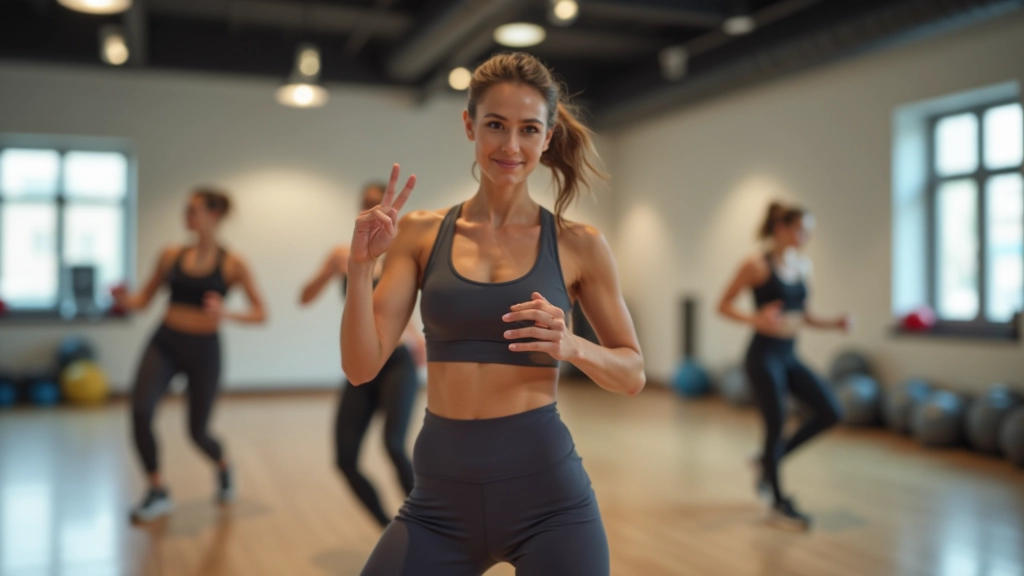
Wear sneakers with good ankle support — nothing with thick soles that won't let you pivot. Comfortable clothes you can move in. Cotton is fine. Avoid anything too baggy that restricts your movement.
Hydration
Bring a water bottle. You're moving for an hour straight. Most studios have water fountains, but don't rely on that. You'll sweat — that's the point.
Timing
Show up 10 minutes early your first time. You'll need to fill out a form, find where you're going, and get acclimated. It's not a rush situation.
Eating Before
Don't come hungry or stuffed. A light snack 30-45 minutes before is ideal — banana, granola bar, toast with peanut butter. Nothing heavy.
Real Tips from Real Zumba Dancers
Position yourself where you can see the instructor but not where everyone can stare at you. A spot in the middle-back works perfectly. You'll see what's happening, but you're not in the spotlight.
Don't memorize combinations perfectly. The goal isn't precision — it's movement and fun. If you get 60% of the steps right, you're doing fine. The other 40%, just keep moving to the beat. Honestly, that's what everyone else is doing anyway.
Go twice before you decide. Your first class is about figuring out the format. Your second class, you'll know what's coming and you'll actually relax. That's when the real benefit kicks in.

What Your Body Will Experience
Your heart rate will be elevated for the entire class. That's good — that's cardio. You'll probably feel it in your legs, hips, and lower back more than anywhere else. Your core's working the whole time to keep you stable while you're moving your hips.
Week 1-2
You'll be sore. Your legs and hips especially. That's normal. It means muscles that don't usually work that way are waking up. Soreness fades by day 3-4.
Week 3-4
Soreness is gone. You're not as out of breath. The combinations start making sense. You'll notice you can do 2-3 songs in a row without needing a break.
Week 5+
You're feeling genuinely stronger. Your balance improves. Your posture changes. And you're having fun — which is really the whole point of going.
Everyone's timeline is different. Some people feel amazing after week one. Others take longer. Both are completely normal.
Questions People Actually Ask
What if I can't dance at all?
That's literally everyone's starting point. The instructors know this. They're teaching basic steps — not asking you to be a professional dancer. If you can walk and move your hips, you can do Zumba.
Is it too fast for people over 50?
No. Most Zumba instructors offer modifications. Can't do the fast footwork? Do a slower version. Need less impact? Keep one foot down. You control your intensity level — the instructor just shows you the option.
Do I need to be fit to start?
No. You'll build fitness by doing it. Your first class might leave you winded. That's fine. It gets easier. Take water breaks when you need them. Nobody's keeping score.
What if I'm worried about my knees or back?
Tell the instructor before class starts. They can show you modifications that protect your joints. Most movements can be adapted. If something hurts, don't do it — there's always another option.
Ready to Move?
Zumba isn't complicated. You don't need special talent or a perfect body. You need music, movement, and the willingness to try something that might feel awkward for the first 10 minutes. After that, it's just fun.
Find a class near you. Check the schedule. Pick a time that works. Show up 10 minutes early. Wear comfortable shoes. Bring water. And remember — everyone around you is there for the exact same reason you are. They want to move, feel good, and be part of a group that gets it.
More Ways to Move

Important Note
This article is informational and intended to help you understand what to expect from a Zumba fitness class. It's not medical advice. If you have existing joint problems, cardiovascular concerns, or any health condition that might affect exercise, consult with your doctor before starting any new fitness program. Fitness instructors can provide modifications, but your health comes first. Listen to your body and don't push through pain.