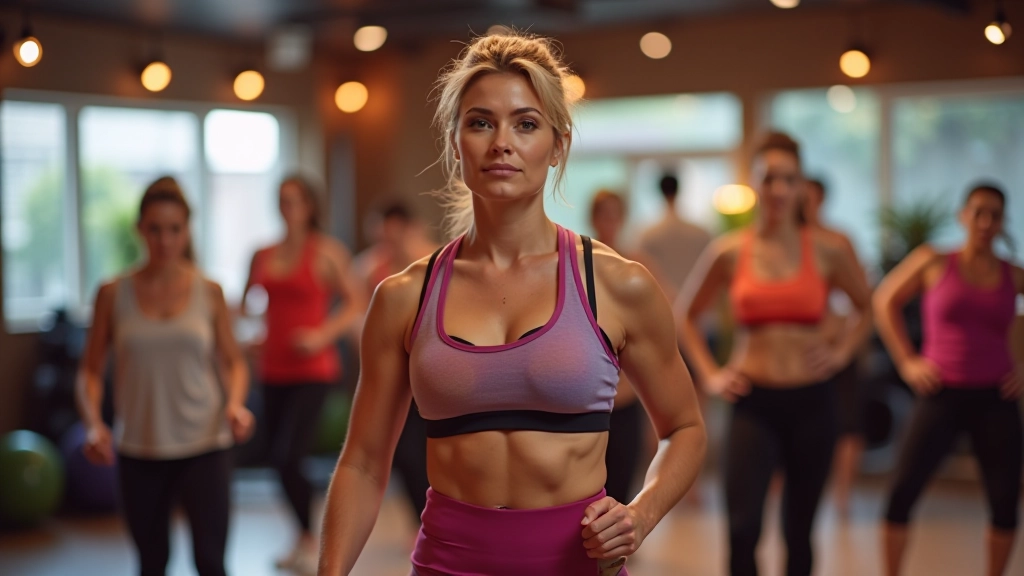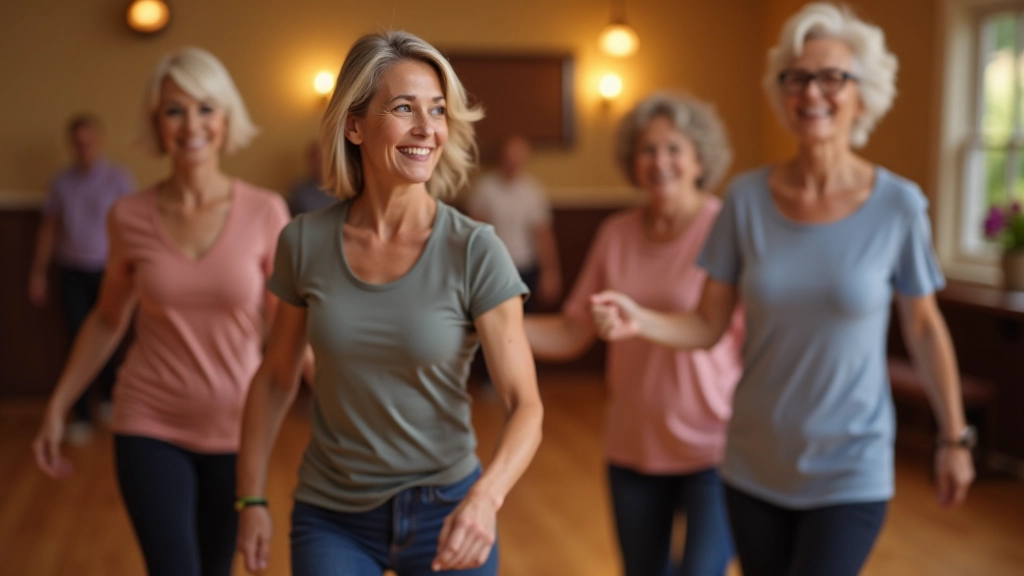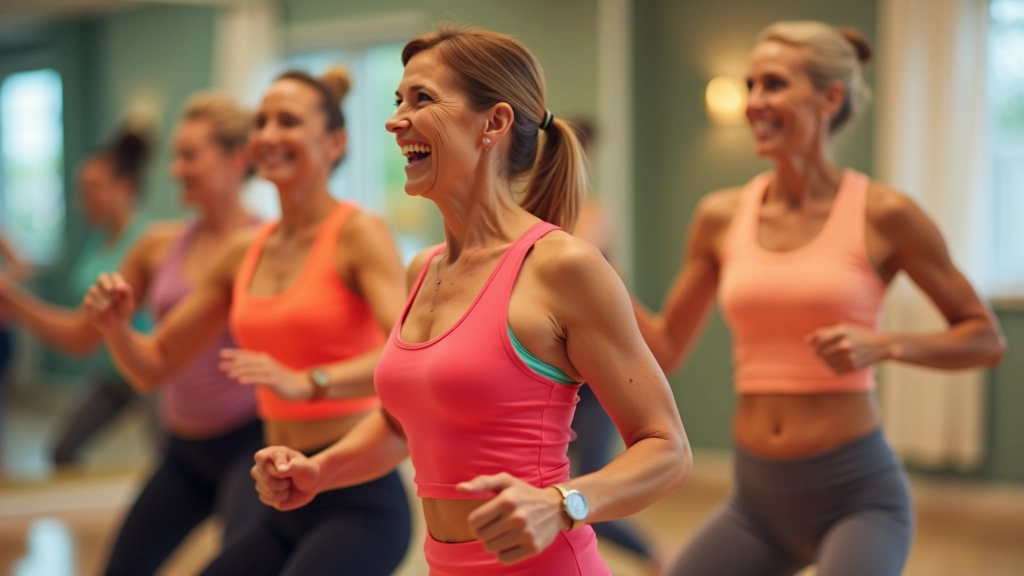
Step Aerobics for Building Strength and Stamina
Discover why step aerobics has become a favorite for building leg strength and cardiovascular endurance in group fitness settings.
What Makes Step Aerobics So Effective
Step aerobics isn't just another cardio trend—it's a proven way to build real strength in your lower body while getting your heart pumping. The magic is in the simplicity. You're working against gravity with every step up and down, which means your quads, glutes, and calves are constantly engaged. Plus, you're improving your cardiovascular fitness at the same time.
What we really love about step aerobics is how accessible it is. Whether you're new to fitness or you've been training for years, you can adjust the intensity by changing the step height or the speed of your movements. It's not about going all-out from day one—it's about consistency and gradual progress.
Key Benefits You'll Actually Notice
Leg Strength Builds Fast
Within 4-6 weeks, most people report noticeable changes in how their legs feel during daily activities—climbing stairs becomes easier, and you'll feel more stable overall.
Your Heart Gets Stronger
Regular step aerobics improves your cardiovascular endurance. You'll find yourself less winded during other activities, and your resting heart rate typically decreases over time.
Low Impact, High Results
Unlike running, step aerobics is gentler on your joints because you're always maintaining contact with either the step or the ground. It's effective without the wear and tear.
You'll Feel More Confident
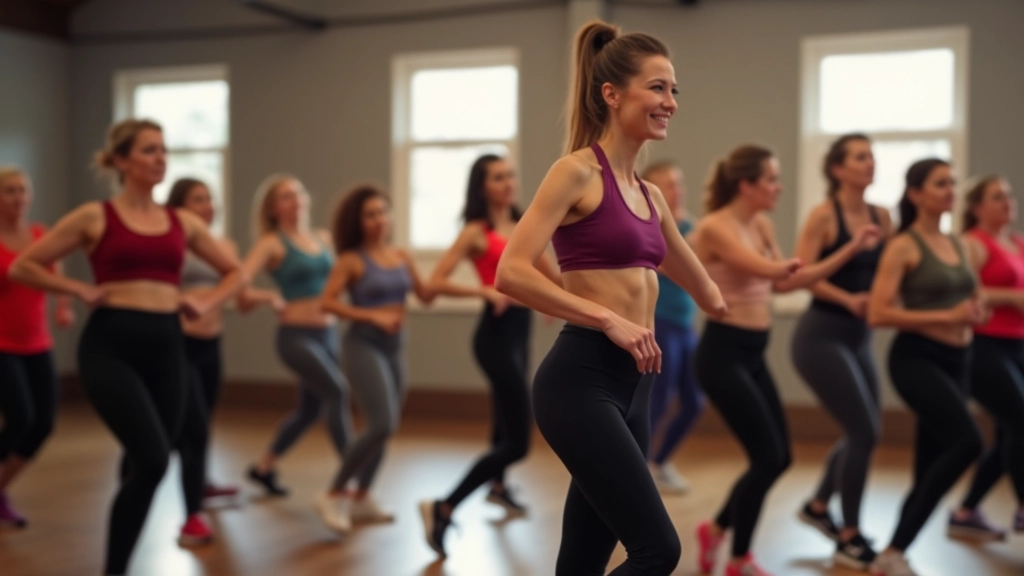
There's something about mastering a new rhythm and movement pattern that builds real confidence. Plus, you're doing it in a group setting where everyone's focused on their own progress.
Proper Form Matters More Than Speed
Here's where a lot of beginners struggle. They focus on keeping up with the person next to them instead of doing the movements correctly. Bad form doesn't just look sloppy—it reduces the effectiveness of your workout and increases injury risk.
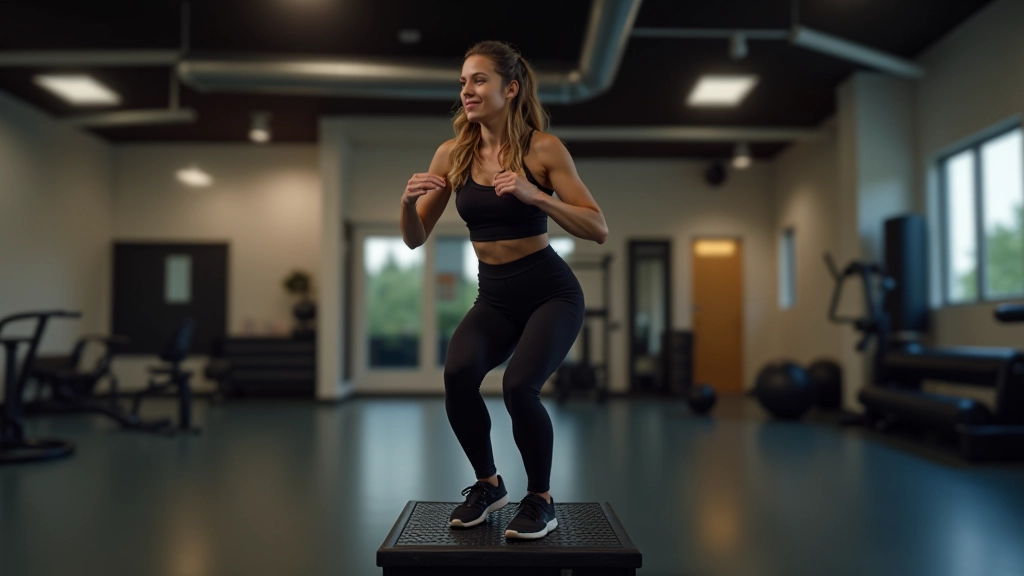
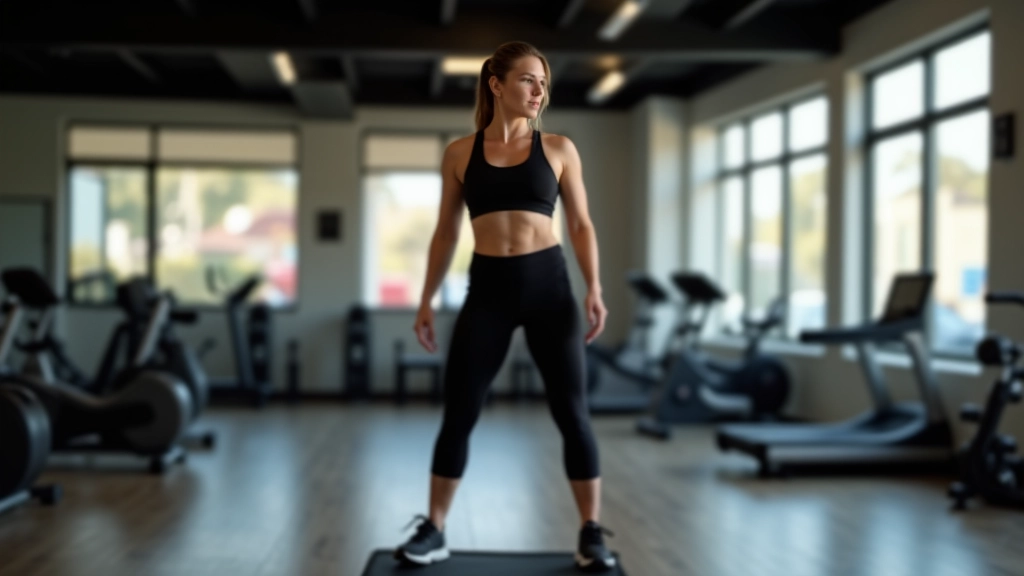
Good form starts with your posture. Keep your chest up, shoulders back, and core engaged throughout the class. When you step up, drive through your heel and fully extend your leg. Your arms should move naturally with your body—you're not swinging them wildly, but they're definitely moving to help propel you.
Pro tip: Most instructors will show you low-impact modifications early in the class. It's completely fine to use these while you're learning. The goal is to build strength safely, not to prove anything on day one.
Building Your Progression Over Time
You don't jump straight to advanced choreography. Most classes follow a natural progression. The first 2-3 weeks, you're learning basic steps—single steps, double steps, turns. You're getting comfortable with the platform and understanding how your body moves.
After that foundation, instructors start adding complexity. They'll layer in arm movements, increase the tempo, or introduce combination patterns. By week 6-8, you'll be comfortable with a full routine that feels challenging but achievable. And here's the thing—even though it looks more complex, you're actually performing the same fundamental movements, just arranged differently.
The step height also matters for progression. Beginners typically start with a 4-6 inch platform. As you build strength, moving to an 8-10 inch step increases the intensity significantly without changing the movements themselves.
Finding the Right Class for Your Level
Beginner Classes
Usually 45-60 minutes, focused on basic step patterns and building foundational fitness. Most gyms and community centers offer beginner sessions during off-peak hours (weekday mornings or early afternoons) so you're not feeling rushed.
What to expect: Slower music tempo, lots of verbal cueing, instructors checking form regularly, and people at all fitness levels.
Intermediate Classes
These classes assume you know the basics and can follow along without constant reminders. You're learning more complex choreography, moving at a brisker pace, and really building your cardiovascular fitness.
What to expect: More rhythm variations, higher step platforms available, a mix of familiar faces and newcomers, music that's definitely energetic.
Advanced Classes
For people who've been stepping for a few months and want real intensity. These sessions move quickly, the choreography is genuinely challenging, and the environment is seriously focused on pushing fitness limits.
What to expect: Complex combinations, higher platforms, faster tempo, and instructors who assume you can keep up without much explanation.
How to Find Your Fit
- Ask about class descriptions—many facilities specify if it's "beginner-friendly" or "intermediate"
- Arrive 10 minutes early to talk with the instructor about your fitness level and any concerns
- Don't be intimidated by experienced participants—everyone was new once, and most communities are supportive
- Try different instructors and time slots to find what works best for your schedule and style
- Consider whether you prefer music-heavy, rhythm-focused classes or more technique-oriented instruction
Your Step Aerobics Journey Starts Simple
Step aerobics works because it's straightforward and effective. You're not doing anything fancy—you're stepping up and down in rhythm, which naturally builds strength in your legs and improves your heart health. The progression is clear, the results are measurable, and the community aspect makes it enjoyable.
If you're thinking about trying a class, don't overthink it. Show up, wear comfortable clothes and supportive shoes, bring water, and focus on doing the movements correctly rather than keeping pace with others. Your body will respond to the work you're putting in, and you'll be genuinely surprised by how much stronger you feel after just a few weeks.
Ready to get started? Look for beginner step aerobics classes at your local gym, community center, or fitness studio. Most offer a free trial class—use it to get comfortable with the environment and meet the instructor.
Important Note
This article is for informational purposes and doesn't replace professional fitness or medical advice. If you have joint problems, heart conditions, or haven't exercised recently, consult your doctor before starting step aerobics. Work with a qualified instructor who can assess your form and recommend modifications for your specific situation.